
Home>Products>Oil and gas product
Azimuthal gamma-ray instrument applies to horizontal wells and directional wells requiring precise geological data. In contrast to natural gamma-ray instrument, azimuthal gamma-ray instrument adds directional data to the formation data. Thus the wellbore is divided into sectors and gamma data in each sector are measured.
Azimuthal gamma-ray instrument is suitable for drilling operations in complex formation and thin reservoir. It can accurately indicate the the reservoir boundary. The geotechnical engineer adjusts the drilling direction according to the information reflected by the azimuthal gamma-ray instrument.
Azimuthal gamma-ray instrument can also identify fault and enrich geological data.
The use of azimuthal gamma-ray instrument helps improve drilling ratio, optimize well trajectories, and increase well production.
Natural gamma-ray instrument can determine the formation position. It can also determine whether the instrument leaves the reservoir or not, but it can not distinguish the azimuth.
Azimuthal gamma-ray instrument can detect the natural gamma data in different directions. By reading gamma data variation from different directions, it is judged in which direction the instrument leaves or will leave the reservoir. The directional engineer would deal with it and make the instrument return to the reservoir.
In real-time drilling, azimuthal gamma-ray instrument records gamma data of eight different sectors in the formation. These data would generate trajectory imaging map after well completion. Through imaging data, formation fault information, especially the fault dip angle information could be read out, which is a significant reference for comprehensive understanding of formation.
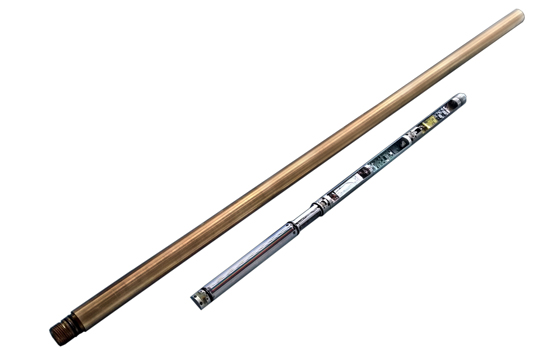
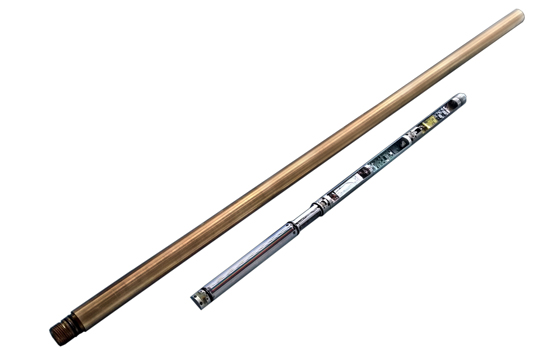
Product photo
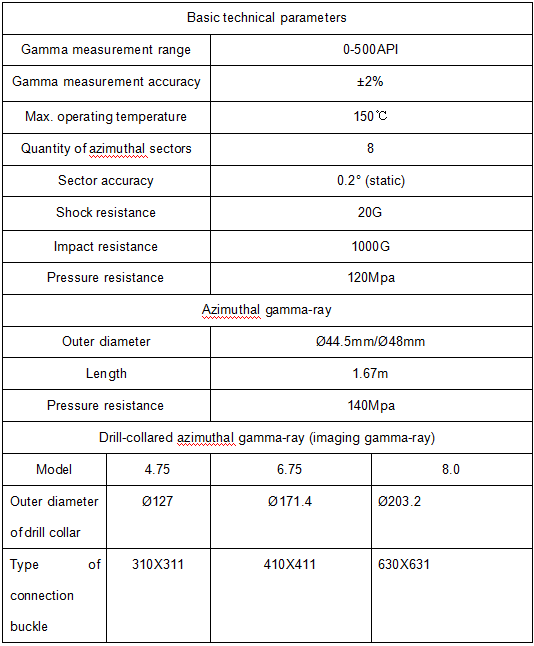
1.Azimuthal gamma-ray
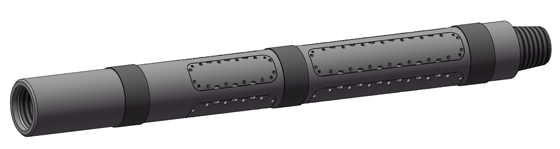
2.Drill-collared azimuthal gamma-ray (imaging gamma-ray)






<i id='cd77a'><strike id='b6c07'><tt id='6302d'><pre id='8f10b'></pre></tt></strike></i> 